Part of the appeal of a pop-up shop is knowing it won’t be around forever. Unlike traditional retail stores, these temporary spaces inspire urgency and a fear of missing out. Customers have a limited opportunity to explore your brand, discover something new, and become part of the excitement.
That ephemeral nature also creates a challenge for marketers. If you’re investing in a pop-up, you want to maximize the opportunity. Your space must attract attention, encourage visitors to stay, and ideally inspire them to share their experiences with others.
The most successful pop-up shops transform shopping into an immersive brand experience that people want to photograph, talk about, and recommend. Here’s how professional design and custom fabrication can make those goals a reality.
Create an Experience Beyond Shopping
Pop-up shops give you an opportunity to break away from conventional retail design. Instead of arranging products on shelves and hoping customers find something they love, you can build an environment around a specific campaign, product launch, or brand identity.
For example, a beauty brand might create an oversized vanity where visitors can sample products and take photos. A beverage company could build a colorful, immersive environment inspired by its signature flavors. A startup fashion brand may make a name for itself by setting up an interactive showroom with dramatic lighting and custom displays. The possibilities are virtually endless, but the objective remains the same – to give people a reason to visit that they can’t duplicate anywhere else.
Make a Strong First Impression
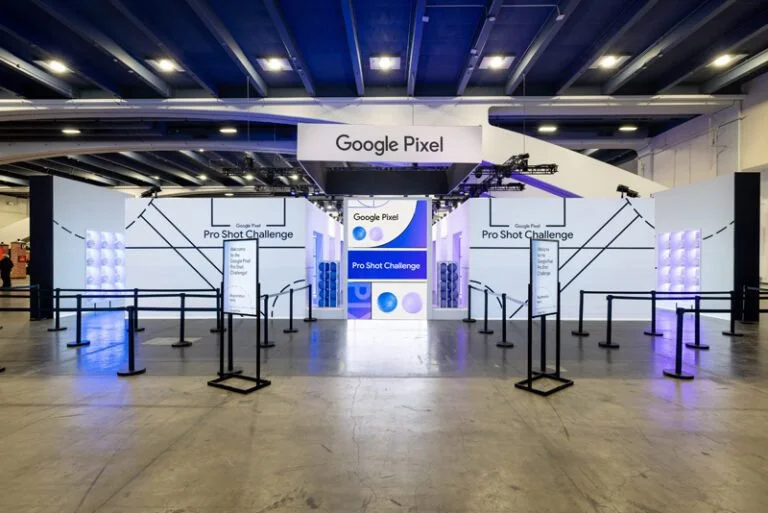
Your pop-up can’t go viral without attracting visitors in the first place. Your storefront, entrance, and exterior signage should immediately spark curiosity. Use bold graphics, dimensional logos, unusual architectural features, and creative lighting to distinguish your activation from surrounding businesses.
Oversized props are especially effective at capturing people’s attention. Imagine a larger-than-life version of your bestselling product, an unexpected sculpture, or an enormous installation that invites passersby to stop and investigate. These elements can serve multiple purposes. They establish a recognizable visual identity, generate interest, and create natural photo opportunities for visitors.
Design With Social Sharing in Mind
Social media has changed how people discover and experience physical spaces. An eye-catching installation can attract visitors who first encountered it through a friend’s Instagram story or TikTok video. However, creating a shareable pop-up requires more than putting a branded backdrop in the corner.
Think about how visitors will experience what you’ve built through their phone cameras. What lighting, colors, textures, and backgrounds will they encounter as they explore? Your goal isn’t to make every square foot Instagrammable. Instead, create a few standout moments that feel authentic to your brand – such as a themed, immersive environment, interactive installations, unexpected design elements, or custom photo opportunities – and encourage people to share their experiences organically.
Use Environmental Design to Tell Your Story
Your pop-up’s design should reinforce your brand identity at every turn. Environmental design combines architecture, graphics, materials, lighting, signage, and spatial planning to communicate a cohesive message. Rather than treating these elements as separate decorative decisions, consider how they can work together to define the customer experience.
For example, a luxury brand might use refined materials, carefully controlled lighting, and understated graphics to create an atmosphere of exclusivity. A playful consumer brand might favor bold colors, unexpected shapes, and interactive elements that invite exploration. Even the layout contributes to your story. An open floor plan creates a welcoming atmosphere, while a series of connected areas can build anticipation as visitors move from one zone to the next.
When these details align, your pop-up will become a physical expression of your brand rather than a temporary store with your logo attached.
Make Your Products Part of the Attraction
While memorable design can generate foot traffic, your products should still take center stage. Custom point-of-purchase displays allow you to present merchandise in ways that complement the surrounding environment. Instead of relying on generic shelves and fixtures, consider dimensional displays, illuminated showcases, sculptural product stands, or interactive demonstration stations. These elements draw attention to featured products while educating buyers.
The best displays also make shopping intuitive. Visitors should be able to explore merchandise comfortably, interact with products where appropriate, and move naturally toward a purchase. Balancing visual excitement and functionality will ensure your pop-up delivers more than social media impressions.
Give Visitors Something to Do
People are more likely to remember things they’ve actively participated in. Depending on your goals, you might incorporate interactive product demonstrations, games, customization stations, sampling opportunities, or other hands-on activities. These experiences also encourage visitors to spend more time in your space, giving them additional opportunities to discover products and connect with your message.
Remember that participation shouldn’t feel forced. Activations that naturally invite exploration are more appealing than those that pressure visitors into completing a promotional activity.
Build Excitement Around a Limited-Time Experience
Pop-ups are particularly well-suited to seasonal campaigns because their temporary nature reinforces the excitement surrounding special occasions. For example, during the holiday shopping season, your brand can create festive retail environments, exclusive product displays, and themed photo opportunities that give customers reasons to return.
The same principles apply year-round. Pop-ups can enhance product launches, brand collaborations, limited-edition collections, entertainment promotions, and other campaigns with a defined beginning and end. Your objective should be to make the experience feel exclusive enough that people don’t want to miss it.
Think Beyond Opening Day
A successful pop-up requires careful behind-the-scenes planning. Even temporary installations must accommodate practical considerations such as visitor traffic, product accessibility, lighting, electrical requirements, durability, and transportation.
Portability and reusability are paramount if you plan to travel to multiple cities. Modular structures and adaptable displays will make it easier to recreate your activation in spaces with different dimensions and requirements. Partnering with an experienced, full-service design and fabrication company from the beginning will let you realize your most ambitious ideas without overlooking these essential details.
Bring Your Pop-Up Vision to Life With MadeFirst
Creating a pop-up shop that stands out requires the design expertise, technical capabilities, and craftsmanship to turn your concept into an unforgettable physical environment. MadeFirst’s team combines design, engineering, CAD, carpentry, paint, 3D fabrication, and advanced production technology to create custom retail displays, compelling trade show booths, branded environments, immersive installations, and other one-of-a-kind elements.
With a 60,000-square-foot production facility and a comprehensive range of in-house capabilities, we can manage projects from initial concept development through fabrication and installation. Whether you’re planning a holiday pop-up, launching a new product, or taking your brand experience on the road, we’ll help you create something that reflects your vision.
Your pop-up may be short-lived, but the impression it makes will linger much longer. When visitors leave with memorable experiences, great photos, and stories they want to share, your temporary space can continue generating attention long after its doors close. Contact us today to create a pop-up that people can’t stop talking about.